Overcoming Common Pool Construction Challenges
Building a pool is an exciting milestone, but the process behind it is more complex than many homeowners expect. From the moment the first soil test takes place, every decision influences how smoothly the project unfolds. Challenges often arise along the way, but with the right planning and the right pool builder guiding the process, these issues can be managed early before they escalate into delays or cost overruns. Understanding these potential hurdles helps set realistic expectations and contributes to a better
pool construction experience overall.
Ground Conditions That Can Make or Break a Pool Build
The soil beneath a property determines how excavation, engineering, and installation of your pool will unfold. Some sites have rocky ground that slows digging, while others sit on unstable or moisture-rich soil that requires additional structure. Professional assessment in the early stages helps prevent costly surprises once machinery arrives.
- Soil testing reveals load-bearing capacity and drainage behaviour.
- Underground obstructions like pipes or rock layers influence excavation methods.
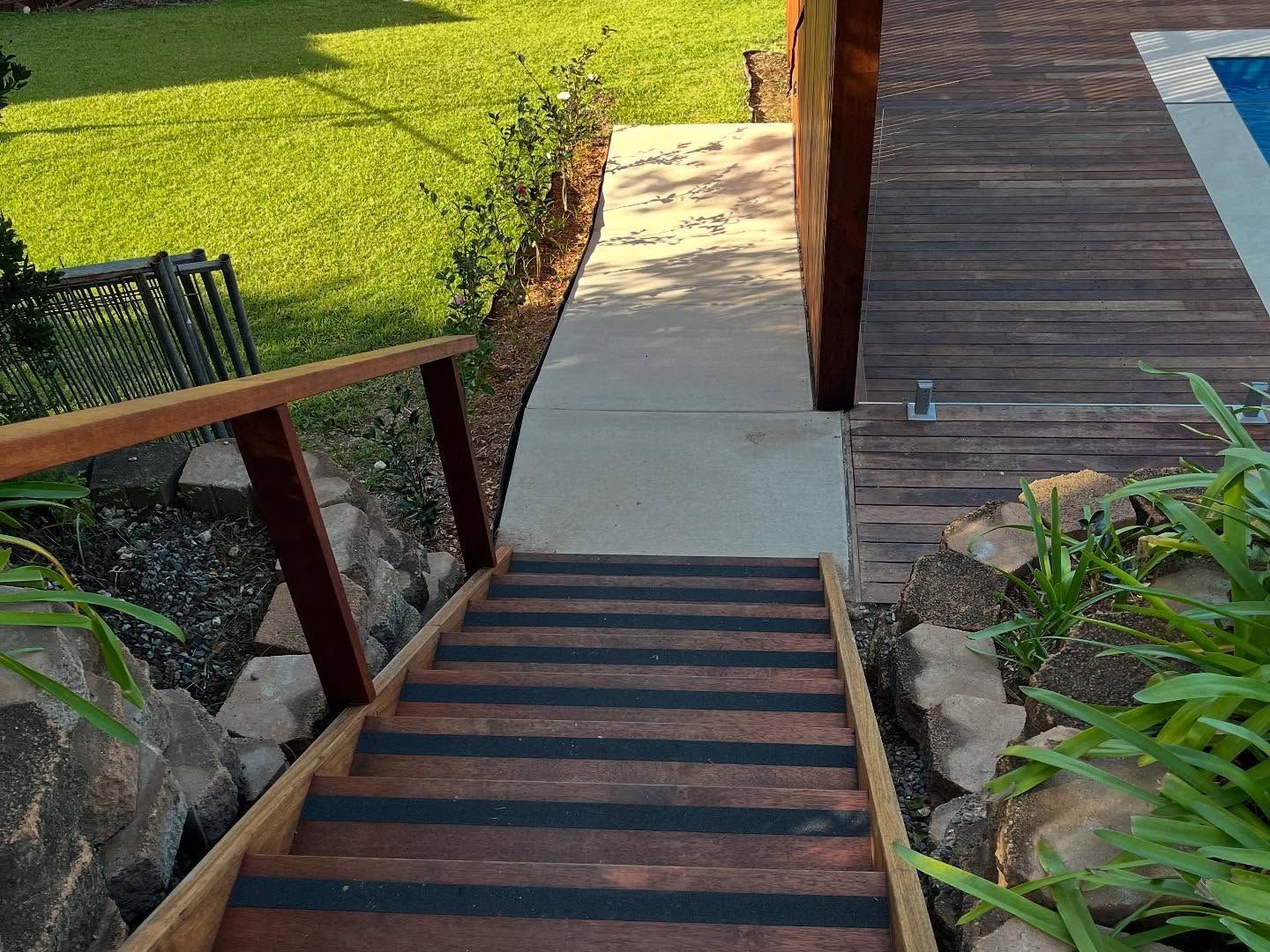
- Sloped blocks may require retaining, engineering changes, or modified pool designs.
When Access Restrictions Turn a Simple Dig Into a Complex Job
Tight or awkward access points can complicate the excavation stage. Fences, narrow driveways, steep entries, and proximity to neighbouring structures can all limit the types of machinery that can be brought onto the property when it comes time to start building. Addressing access constraints early allows builders to plan machinery, timing, and logistics more accurately.
- Restricted entries may require smaller excavation equipment or staged removal of fencing.
- Crane hire can be organised when shells or materials cannot be brought in conventionally.
- Builders assess access early to reduce delays when excavation begins.
Design Changes That Slow Projects Down (and How Builders Manage Them)
Once construction of your pool is underway, even small design adjustments can affect scheduling. Changing pool shapes, altering finishes, or modifying surrounding landscaping can require replanning. Clear communication with your builder helps avoid issues by keeping the project aligned with your original goals.
- Early design consultations help minimise mid-build adjustments.
- Changes to materials or structural features may extend timelines.
- Builders support clients with guidance to achieve suitable design outcomes.
Weather Delays: A Reality Every Pool Builder Plans For
Rain and ground saturation are among the most common disruptions during pool construction. Wet soil affects excavation, concrete curing, and access for machinery, often leading to enforced downtime. Builders plan projects around seasonal patterns while maintaining flexibility when unexpected weather arrives.
- Saturated ground slows excavation and delays structural work.
- Tarps and weather barriers help protect curing surfaces or materials on site.
- Timelines often include buffer periods to manage unpredictable conditions.
Managing Drainage and Waterproofing Before Problems Appear
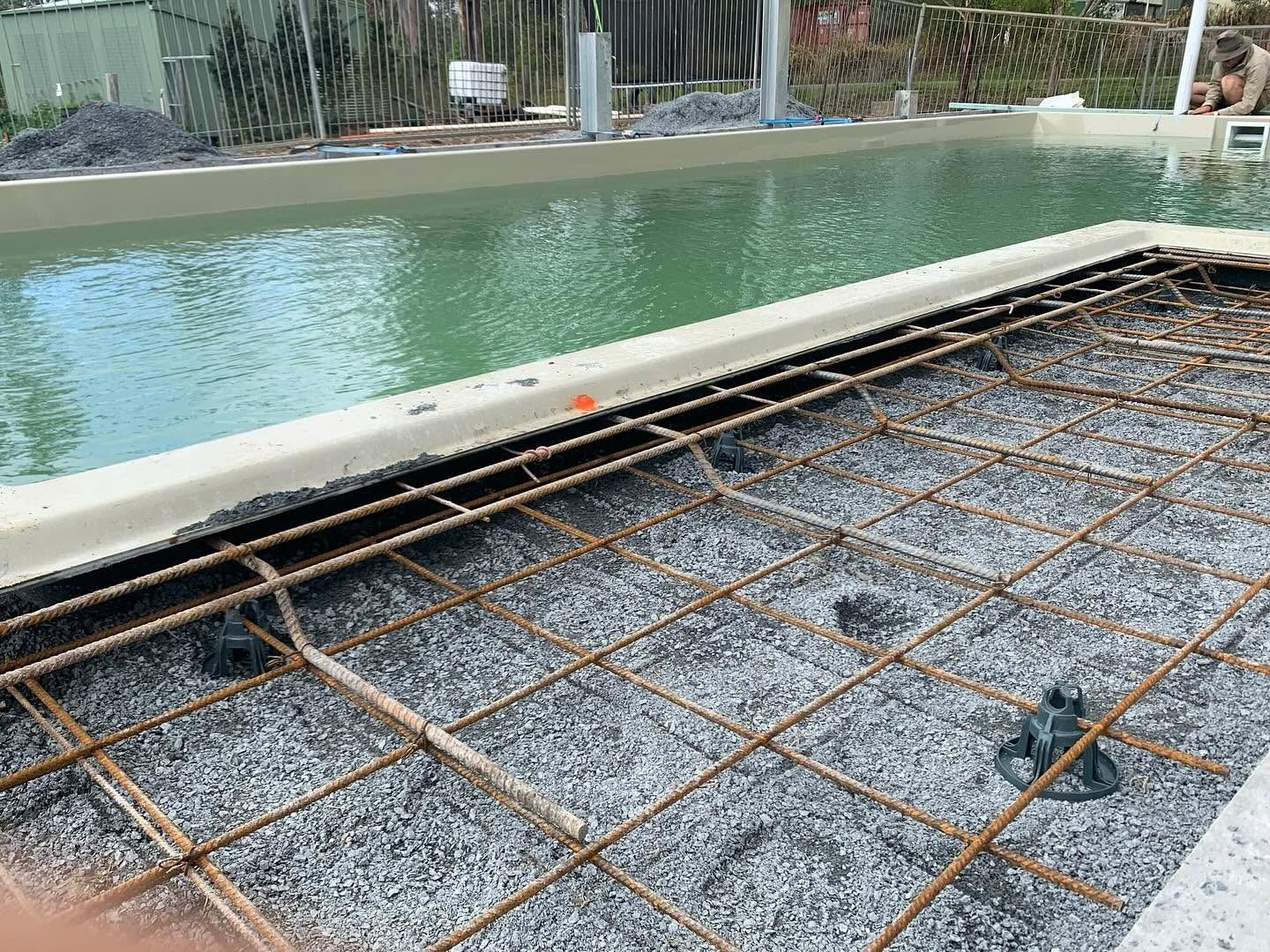
Proper drainage around the pool zone prevents long-term issues such as soil movement, water pooling, or pressure on pool walls. Waterproofing within and around the structure also reduces the risk of leaks. Addressing these requirements during pool construction ensures the pool stays stable over time.
- Sub-soil drainage systems reduce pressure buildup around the pool.
- Waterproofing layers help protect internal and external surfaces.
- Correct fall and ground preparation assist with long-term water management.
Compliance, Permits, and Safety: Navigating the Paperwork Side of Construction
Pool building involves strict compliance requirements, including structural certification, safety fencing and electrical regulations. Managing council approvals and paperwork can be overwhelming, but experienced builders streamline the process by coordinating these documents before and during construction.
- Temporary and permanent fencing must meet safety guidelines.
- Electrical bonding and earthing work must be completed by licensed trades.
- Council approvals ensure the pool meets zoning, boundary, and code requirements.
Budget Blowouts and Hidden Costs: How Builders Help Keep Projects on Track
Unexpected costs can come from changes in ground conditions, material upgrades, or engineering adjustments. Transparent budgeting at the start of the project reduces the risk of surprise fees once construction is underway. Pool builders Coffs Harbour often guide clients through realistic cost planning to avoid misunderstandings later.
- Detailed quotes outline construction stages, materials, and potential contingencies.
- Excavation variations may occur when ground conditions differ from early assessments.
- Builders assist with balancing design expectations and project budgets.
What Aftercare Looks Like Once the Pool Is Officially Complete
A pool is a long-term investment that continues beyond installation. Understanding how to care for filtration systems, salt or mineral setups, and maintenance routines helps owners protect the structure and equipment. A careful handover is an essential step in every build.
- Builders demonstrate system controls, cleaning equipment, and safety features.
- Maintenance schedules help owners keep water clear and equipment functioning well.
- Warranty awareness supports long-term care and provides clarity around inclusions.
We at Solitary Island Pools work closely with property owners who want confidence at every stage of their build, especially when navigating tricky site conditions, weather delays, and the practical challenges that come with pool construction in Coffs Harbour. If you are researching pool builders Coffs Harbour and want guidance supported by clear communication and careful planning, visit www.solitaryislandpools.com.au or contact us today to discuss your project.