Keeping Your Pool Safe: Advice From The Experts
A pool is often the centre of outdoor living. It is where weekends stretch out, where friends gather and where children learn to swim. Yet beneath the enjoyment sits a serious responsibility. Water does not forgive distraction, and even familiar surroundings can carry hidden risks.
Pool safety begins long before anyone dives in. It starts at the design stage, continues through construction and remains an ongoing commitment throughout the life of the pool. From fencing compliance to surface materials and equipment placement, every detail plays a role.
Experienced
pool builders in Coffs Harbour understand that a beautiful pool must also be a safe one. This guide explores the practical steps that help property owners create and maintain a safer swimming environment.
Smart Pool Design Lays the Foundation for Safety
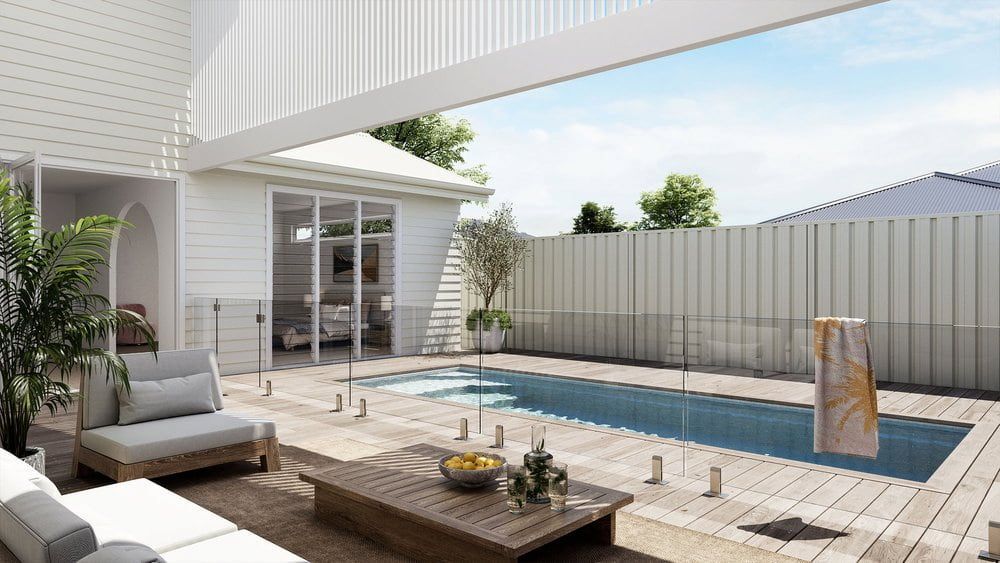
Safety should be integrated into the pool’s layout, not added as an afterthought. The way a pool is positioned, shaped and accessed can influence visibility, supervision and risk levels. Clear sightlines from the home or entertaining area support better monitoring. Gradual depth transitions can reduce sudden drop-offs that catch swimmers off guard.
Design decisions also affect how easily safety features can be incorporated without compromising aesthetics. Professional pool builders in Coffs Harbour often discuss these elements during the early planning phase.
- Positioning the pool within clear view of living areas
- Designing entry steps that are wide and visible
- Avoiding hidden corners that obstruct supervision
- Incorporating ledges or shallow zones for younger swimmers
- Planning space for compliant fencing and gates
Thoughtful design makes supervision more practical and less stressful. It also reduces the likelihood of needing major changes later.
Pool Fencing Compliance Is Not Optional
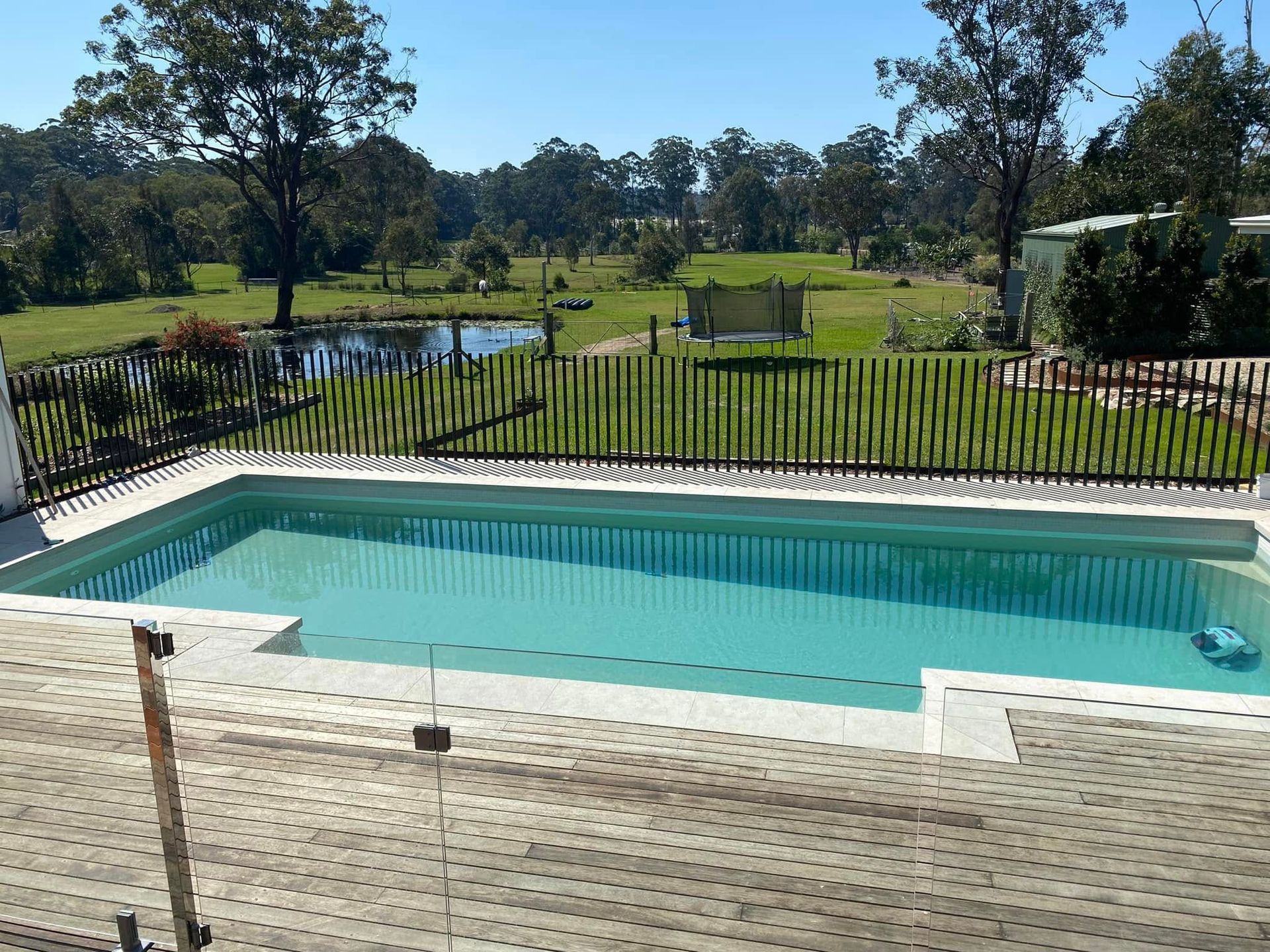
In Australia, pool fencing regulations are strict for a reason. Proper barriers help prevent unsupervised access, particularly by young children. Compliance requirements cover fence height, gap spacing and gate functionality. Failure to meet standards can result in fines and mandatory rectification.
Pool safety depends heavily on a correctly installed and maintained barrier. Builders and property owners share responsibility in ensuring the fence meets legislative requirements.
- Minimum fence height in line with state legislation
- Self-closing and self-latching gate mechanisms
- No climbable objects near the barrier
- Gaps small enough to prevent a child passing through
- Regular inspections to confirm continued compliance
A compliant fence is one of the most important layers of protection. It should be checked regularly, not just at installation.
Supervision Remains the Strongest Safety Measure
No physical barrier replaces active supervision. Adults must remain attentive whenever children are in or around the pool. Distractions such as phones, conversations or household tasks can create dangerous gaps in attention. Establishing clear rules around pool access reinforces safer habits.
Pool builders in Coffs Harbour often remind clients that design and equipment support supervision but do not replace it. Awareness is an ongoing responsibility.
- Assigning a designated adult supervisor during swimming
- Keeping rescue equipment within easy reach
- Setting clear rules about running or diving
- Teaching children basic water awareness early
- Removing toys from the pool area after use
Consistent supervision significantly reduces risk. It transforms safety from a rule into a daily practice.
Life-Saving Equipment Should Be Accessible
Emergency equipment must be easy to locate and simple to use. In urgent situations, every second matters. Property owners should understand how to operate rescue tools and ensure they remain in good condition. Equipment should not be locked away or obstructed.
While design supports safety, preparation supports response. Pool safety includes readiness for unexpected incidents.
- A clearly visible rescue pole
- A flotation device such as a life ring
- CPR signage displayed near the pool
- A first aid kit stored nearby
- Clear access pathways for emergency services
Regularly reviewing equipment condition helps maintain preparedness. Knowing how to respond calmly can make a critical difference.
Slip-Resistant Surfaces Reduce Preventable Injuries
Many pool-related injuries occur outside the water. Wet surfaces combined with running or horseplay increase the likelihood of slips and falls. Selecting appropriate paving materials and finishes helps minimise these risks. Drainage design also influences how quickly surfaces dry.
Professional pool builders in Coffs Harbour often recommend textured or slip-rated materials for surrounds. Surface choice is both a design and safety decision.
- Textured pavers or concrete finishes
- Adequate drainage to prevent pooling water
- Regular cleaning to remove algae build-up
- Clear pathways free of clutter
- Adequate lighting for evening visibility
Attention to surrounding areas supports overall pool safety. It reduces hazards that are easy to overlook.
Regular Inspections Protect Long-Term Safety
Safety measures can degrade over time. Gates may lose tension, surfaces may become uneven and equipment may deteriorate. Scheduled inspections identify issues before they escalate. Maintenance is not only about appearance but also about structural integrity and compliance.
Property owners benefit from ongoing reviews conducted by experienced pool builders in Coffs Harbour. Small adjustments can prevent larger problems.
- Checking gate hinges and latches
- Inspecting fence alignment and gaps
- Assessing tile and coping stability
- Reviewing pump and filtration systems
- Monitoring water clarity and chemical balance
Routine inspections reinforce safe conditions year-round. They also demonstrate responsible ownership.
Water Quality and Equipment Performance Matter
Clear water is not only about aesthetics. Balanced chemical levels and functional filtration systems support swimmer health. Poorly maintained water can cause skin irritation, eye discomfort and bacterial growth. Equipment faults may also compromise circulation and safety.
Regular servicing ensures systems operate as intended. Pool safety extends to water hygiene and mechanical reliability.
- Maintaining appropriate chlorine and pH levels
- Cleaning filters and skimmer baskets
- Checking pump performance
- Monitoring water circulation
- Scheduling periodic professional servicing
Well-maintained equipment supports consistent water quality. It also reduces the likelihood of sudden breakdowns during peak use.
Safety Education Builds Confidence
Knowledge strengthens safe behaviour. When family members understand pool rules and risks, they are more likely to act responsibly. Simple education can reduce complacency and encourage safer habits. Discussions about emergency procedures also support preparedness.
Experienced pool builders in Coffs Harbour often provide guidance on ongoing safety awareness after installation.
- Teaching children basic water survival skills
- Demonstrating correct use of rescue equipment
- Reviewing emergency contact procedures
- Encouraging swimming lessons
- Reinforcing rules around diving and rough play
Education turns safety from a checklist into a shared responsibility. It empowers families to enjoy their pool with greater confidence.
Create a Safer Pool Environment
Here at Solitary Island Pools we understand that pool safety must be considered at every stage, from initial design through to long-term maintenance. Our team works with property owners and pool builders in Coffs Harbour to integrate compliant fencing, practical layouts and thoughtful features that support safer swimming environments.
If you are planning a new pool or reviewing existing safety measures, visit our website to discuss how pool safety can be incorporated into your project while meeting local requirements and supporting confident outdoor living in Coffs Harbour.